Open USD’s No-Fee, Equity-Sharing Model Takes Aim at Stablecoin Economics
Open Standard's OUSD is live on four chains, charging no mint or redemption fees and paying reserve revenue and equity to partners that drive usage.
Open Standard’s Open USD (OUSD) went live on September 30 with a pricing model that eliminates the fees Tether and Circle live on, and hands most of the token’s reserve revenue back to the companies that distribute it.
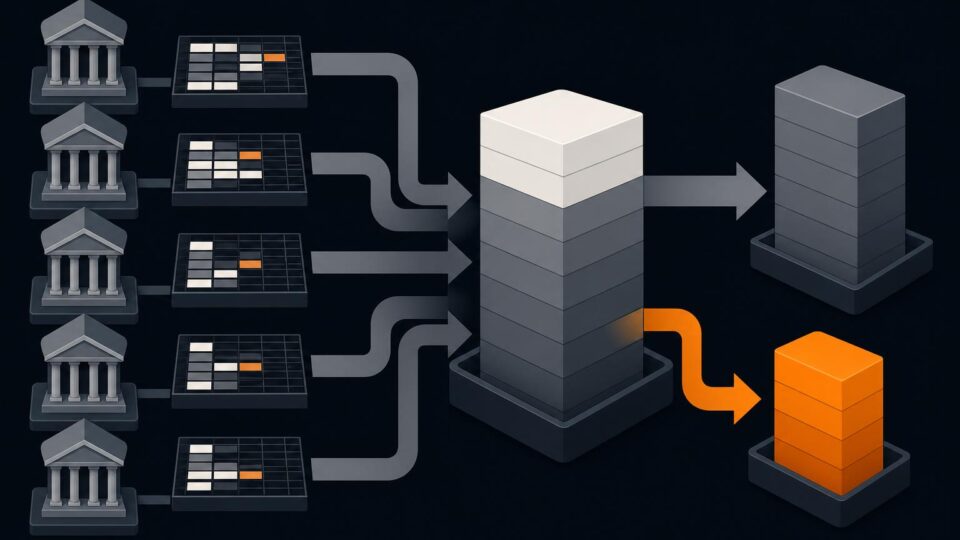
OUSD charges nothing to mint or burn, and the majority of the revenue its dollar reserves generate will be returned to partners based on how much OUSD supply and transaction activity they drive, the company said in its launch announcement. That inverts the economics of the two incumbents, whose profits come from holding the reserves behind USDT and USDC while charging for access at the edges.
Equity for usage, not a fee toll
Beyond revenue, Open Standard plans to give partners actual ownership. CEO Zach Abrams said the overwhelming majority of the company’s cap table will be distributed over the next four to five years to founders and partners based on how they grow the network. Founding partners Coinbase, Mastercard, Shopify, Stripe and Visa, which hold equal initial stakes and have committed more than $1 billion to build liquidity, earn rewards under the same framework as everyone else rather than a preferential share.
“The overwhelming majority of our cap table is going to be distributed back to founders and non-founders based on how they help grow the network.”
The bet is that distribution partners who own a piece of the stablecoin will push it into payments rails harder than any fee-sharing arrangement could. Abrams frames the difference in one line: every other stablecoin is building a fund, while Open Standard is building money.
“We want to be the most useful stablecoin, the same way the U.S. dollar is useful. Every other stablecoin is building a fund. We’re building money.”
What it changes for the market
OUSD enters a stablecoin market worth more than $300 billion, where Tether’s USDT holds about $143 billion in circulation and Circle’s USDC roughly $74 billion. A model that both removes minting fees and pays partners in equity attacks the assumption that reserve income and edge charges are the issuer’s to keep.
The token is live on Ethereum, Solana, Base and Tempo, with trading starting on Coinbase, Kraken and Uniswap. It is issued by Bridge, the stablecoin infrastructure company Stripe bought for $1.1 billion in 2024, and backed by reserves held at BlackRock, Lead Bank and BNY, with monthly attestations planned. The partner network has grown from more than 140 companies in June to more than 200, with UBS, SBI Holdings and Jeeves among the newest additions.
Abrams rejects the consortium label, saying corporate investors hold stakes but management runs the company rather than a partner committee. Developers can integrate OUSD through four paths from Coinbase, Mastercard, Stripe and Visa; Coinbase’s support begins October 1.